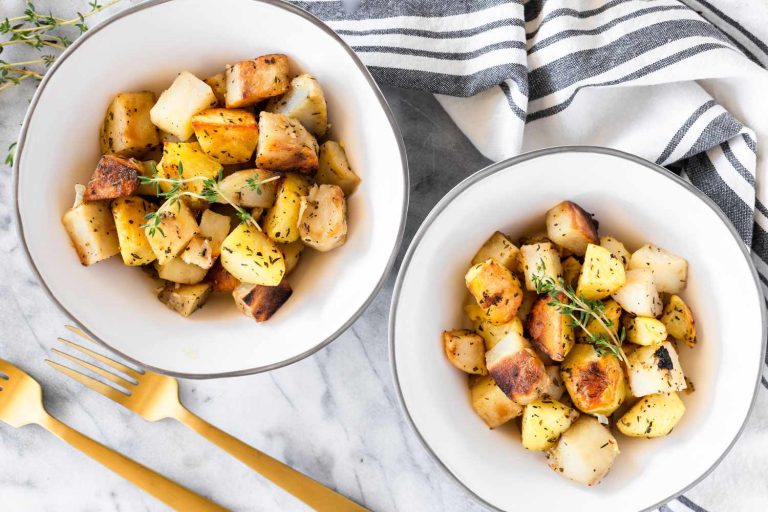
Potatoes have an unusual ability to appear completely different depending on how they are prepared. A crisp potato chip, a smooth purée, a chilled salad, and a hearty stew can all begin with the same basic ingredient, yet each dish expects something different. This is why choosing a single potato and expecting it to perform perfectly everywhere can produce inconsistent results.
The differences among potatoes are not merely visual. Their internal structure affects what happens when they are cut, heated, mixed, cooled, or combined with other ingredients. Understanding those differences explains why professional and home kitchens benefit from having more than one variety available.
Recipes Place Different Demands On Potatoes
Every recipe gives potatoes a particular job. In some dishes, potatoes need to become soft enough to crush easily. In others, individual pieces must remain recognizable after spending considerable time in liquid. Some recipes require a strong exterior that can become beautifully cooked while protecting the center.
These expectations can conflict with one another. A characteristic that is desirable in one preparation may become inconvenient in another.
That is an important reason multiple potato varieties have a place in the kitchen. Instead of searching for one universal option, cooks can recognize that different potatoes provide different advantages depending on what the finished food requires.
Structure Matters When Potatoes Are Cut
The way a potato behaves after cutting can have a major effect on a recipe. Consider dishes that contain cubes, slices, wedges, or thin layers. The pieces often need to maintain enough integrity to create an attractive and consistent finished dish.
This becomes especially important in layered recipes. If the potato pieces lose their definition too quickly, the layers may become difficult to distinguish. Conversely, a preparation designed to become soft and unified may benefit from potatoes that readily lose some of their original structure.
The best choice therefore depends partly on whether the recipe celebrates clearly defined pieces or encourages them to blend.
Cooling Introduces Another Requirement
Hot cooking is only one part of potato preparation. Some recipes are served after potatoes have cooled, which introduces an entirely different consideration.
A potato that seems suitable immediately after cooking may feel different once it reaches room temperature or is refrigerated. For dishes prepared in advance, cooks need to think about how the potato will behave at serving time rather than judging it only when it leaves the stove.
This matters for picnics, packed lunches, make-ahead dishes, and cold preparations. Selecting potatoes with the final serving conditions in mind can help create a dish that remains enjoyable several hours after preparation.
Sauces And Dressings Change The Equation
Potatoes rarely appear completely alone. They interact with oils, dairy products, broths, herbs, sauces, and dressings. The way the potato responds to these additions can influence the character of the entire dish.
For example, one preparation may call for potato pieces that remain distinct while carrying a flavorful coating on their surfaces. Another may depend on the potatoes integrating closely with surrounding ingredients to create a unified consistency.
Neither behavior is automatically superior. The appropriate result depends on the purpose of the recipe.
Shape Can Influence Presentation
Appearance also deserves consideration. Small potatoes can create an attractive whole or halved presentation, while elongated potatoes may lend themselves naturally to certain cuts. Larger potatoes provide more surface area when a recipe requires substantial portions or specific shapes.
Color adds another possibility. Red, yellow, white, purple, and other potatoes can introduce visual contrast without requiring elaborate decoration.
For meals where presentation is important, selecting potatoes based solely on familiarity can mean overlooking an easy way to make the plate more visually interesting.
Cooking Equipment Can Affect The Best Choice
Modern kitchens use much more than saucepans and conventional ovens. Air fryers, slow cookers, pressure cookers, grills, and countertop appliances expose ingredients to different cooking environments.
A slow-cooked recipe may require potatoes to withstand extended exposure to moisture, whereas another appliance may emphasize rapid surface cooking. Consequently, the ideal potato can change even when the seasonings and other ingredients remain similar.
Thinking about the equipment as well as the recipe provides another useful way to choose ingredients.
Variety Exists For A Reason
There is no need for one potato to succeed equally in every possible dish. In fact, the diversity of potatoes is part of what makes the ingredient so useful.
Different recipes demand different structures, serving temperatures, shapes, appearances, and interactions with other ingredients. Recognizing these distinctions allows cooks to appreciate potatoes as a diverse food rather than a single interchangeable ingredient. The goal is not to discover the one perfect potato, but to understand that perfection changes according to what the recipe asks the potato to become.