
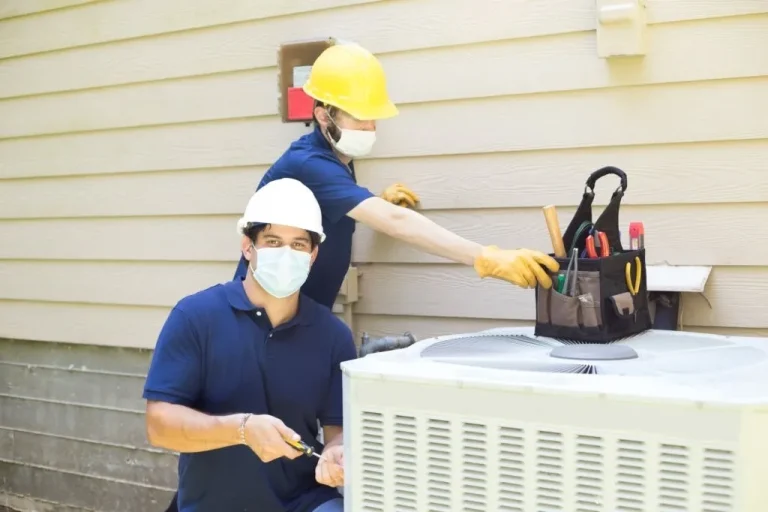
When your heating or cooling system starts acting up, scheduling a service call can feel overwhelming if you’re not sure what to expect. Understanding the process from the moment you book an appointment to the final steps of the visit can help you feel more confident and prepared. A typical HVAC service call involves several stages, including initial contact, technician arrival, system inspection, diagnosis, repair or maintenance, and a final review. Each step is designed to ensure your system is running efficiently and safely, while also addressing any concerns you may have about comfort or energy usage in your home.
Overview of the Service Call Process
Scheduling and Preparing for the Appointment
The first step in any HVAC service call is scheduling the appointment. When you contact a local company, you’ll typically speak with a customer service representative who will ask for details about your system and the issues you’re experiencing. They may inquire about the age of your equipment, any recent problems, and your availability for a visit. Once your appointment is set, it’s helpful to prepare your home for the technician’s arrival. This might include clearing access to your furnace, air conditioner, or thermostat, and making sure pets are secured. Being ready in advance helps the technician get started quickly and ensures a smooth process from the moment they arrive.
Technician Arrival and Initial Assessment
When the technician arrives at your home, they will introduce themselves and review the reason for the service call. They may ask additional questions to clarify the symptoms you’ve noticed, such as unusual noises, inconsistent temperatures, or higher energy bills. The technician will then perform an initial assessment, which often includes checking the thermostat settings, inspecting visible components, and listening for any obvious signs of trouble. This first look helps them form a plan for a more detailed inspection and ensures they address your specific concerns. At this stage, clear communication between you and the technician is important so that nothing is overlooked.
System Inspection and Diagnosis
After the initial assessment, the technician will begin a thorough inspection of your heating and cooling system. This process involves examining both indoor and outdoor units, checking electrical connections, testing safety controls, and measuring airflow. The technician may use specialized tools to check refrigerant levels, inspect ductwork, and evaluate the overall performance of your system. During this stage, they are looking for any signs of wear, damage, or inefficiency that could be causing problems. If you have requested a routine maintenance visit, the technician will also clean and lubricate moving parts, replace filters, and ensure everything is operating within manufacturer specifications. This is the point in the service call where the hvac professional’s training and experience are most valuable, as they work to identify the root cause of any issues and recommend appropriate solutions.
Communication and Recommendations
Once the inspection is complete, the technician will discuss their findings with you. They will explain any problems they discovered, outline the necessary repairs or maintenance, and provide an estimate for the work. This conversation is your opportunity to ask questions and understand the options available to you. The technician should be able to explain the benefits of each recommended service, such as improved efficiency, lower energy bills, or increased system lifespan. If repairs are needed, they will let you know whether the work can be completed during the same visit or if additional parts or appointments are required. Clear communication at this stage ensures you are comfortable with the proposed solutions and understand the next steps.
The Service or Repair Process
If you approve the recommended repairs or maintenance, the technician will begin the work. This may involve replacing worn components, cleaning coils, tightening electrical connections, or recharging refrigerant. The technician will use professional-grade tools and follow safety protocols to ensure the job is done correctly. Throughout the process, they may keep you updated on their progress and let you know if they encounter any unexpected issues. Once the work is complete, the technician will test the system to confirm that it is operating properly and efficiently. They may also provide tips for ongoing maintenance, such as how often to change filters or what signs to watch for in the future. This hands-on portion of the service call is essential for restoring comfort and reliability to your home.
Final Review and Wrap-Up
At the end of the service call, the technician will review everything that was done during the visit. They will walk you through the repairs or maintenance performed, answer any remaining questions, and provide documentation for your records. This is also the time to discuss any warranties or guarantees associated with the work. The technician may offer advice on how to keep your system running smoothly and suggest a schedule for future maintenance visits. Before leaving, they will ensure your home is left clean and tidy, with all tools and materials removed. The goal is to leave you feeling confident that your heating and cooling system is in good working order and that you know what to expect moving forward.
Importance of Regular Maintenance
Regular maintenance is crucial for keeping your heating and cooling system running efficiently and preventing unexpected breakdowns. Scheduling annual service visits can help identify minor issues before they become major problems, extend the lifespan of your equipment, and improve indoor air quality. A well-maintained system also uses less energy, which can lower your utility bills and reduce your environmental impact. By staying proactive with maintenance, you can enjoy consistent comfort in your home and avoid the inconvenience of emergency repairs.
Conclusion
Understanding what happens during an HVAC service call can make the process less stressful and more productive. From scheduling the appointment to the final review, each step is designed to ensure your system is operating safely and efficiently. Clear communication with your technician, regular maintenance, and prompt attention to any issues can help you get the most out of your heating and cooling equipment. By knowing what to expect, you can feel confident in your decisions and enjoy a comfortable home all year round.

John Kaney is a full-time content writer with a passion for crafting engaging and informative articles. With a keen eye for detail and a knack for storytelling, John brings a unique perspective to his writing. He has a diverse range of interests, including technology, travel, and lifestyle, which allows him to create content that resonates with a wide audience.