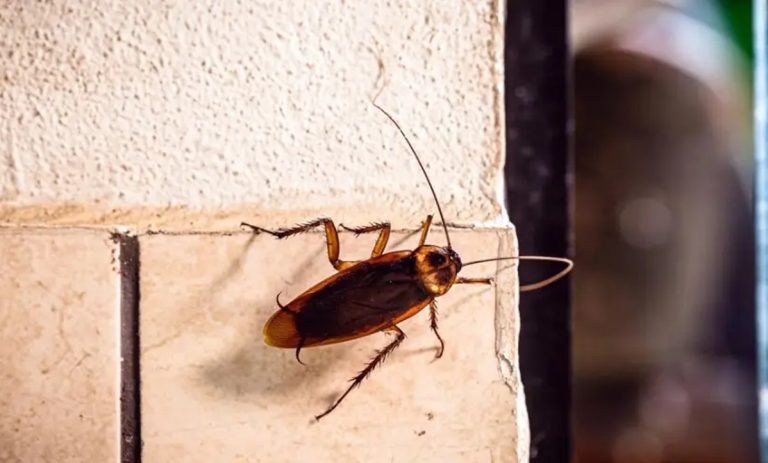
Cockroaches are notorious for their ability to adapt and thrive in a wide range of environments, often making themselves at home in places that are hidden from plain sight. Wall voids and insulation spaces within buildings provide the perfect combination of warmth, darkness, and protection, making them attractive to these persistent pests. Homeowners and property managers may not realize the extent of an infestation until it has become well established, as cockroaches can live and breed undetected for long periods. Understanding how and why these spaces become cockroach habitats is crucial for effective prevention and management.
Why hidden spaces attract cockroaches
The appeal of wall voids and insulation
Wall voids and insulation spaces offer cockroaches a unique set of advantages that make them ideal for long-term habitation. These areas are typically undisturbed by human activity, providing a safe haven where cockroaches can avoid predators and environmental hazards. The darkness and consistent temperature found within walls and insulation help maintain the moisture levels that cockroaches need to survive. Additionally, these spaces often contain small cracks and crevices that allow cockroaches to move freely throughout a building, making it easier for them to find food and water sources. The insulation itself can also provide a nesting material, further encouraging cockroaches to settle in for the long term. Over time, a small number of cockroaches can multiply rapidly in these protected environments, leading to significant infestations that are difficult to detect and control.
How cockroaches access hidden areas
Cockroaches are highly skilled at finding their way into even the most inaccessible parts of a building. They can squeeze through tiny gaps around pipes, electrical wiring, and vents, using these entry points to reach wall voids and insulation spaces. Once inside, they take advantage of the interconnected nature of these hidden areas to travel between rooms and floors without being seen. This ability to move undetected allows cockroaches to establish multiple nesting sites throughout a property, making eradication more challenging. For those seeking cockroach control Pittsburgh, understanding these access points is essential for developing effective strategies to prevent and eliminate infestations. Sealing cracks, repairing damaged walls, and maintaining proper sanitation can help reduce the likelihood of cockroaches gaining entry to these concealed habitats.
Signs of cockroach activity in walls
Detecting cockroach activity within wall voids and insulation spaces can be challenging, as these pests are adept at staying hidden. However, there are several indicators that may suggest their presence. Homeowners might notice a persistent musty odor, which is caused by the pheromones cockroaches release to communicate with each other. In some cases, faint rustling or tapping sounds may be heard coming from within the walls, especially at night when cockroaches are most active. Small dark droppings or shed skins found near baseboards, electrical outlets, or vents can also be a sign that cockroaches are living behind the walls. If an infestation is severe, it is possible to see cockroaches emerging from cracks or crevices during the day, as overcrowding forces them out of their hiding places. Early detection is key to preventing a minor problem from becoming a major infestation, so it is important to pay attention to these subtle warning signs.
Risks associated with hidden infestations
Cockroach infestations that develop within wall voids and insulation spaces pose significant risks to both property and health. The pests can cause damage to insulation materials, electrical wiring, and even structural components as they move through the building. More concerning, however, are the health hazards associated with cockroach infestations. Cockroaches are known to carry a variety of pathogens, including bacteria, viruses, and parasites, which can contaminate surfaces and food sources. Their droppings, shed skins, and saliva can trigger allergic reactions and asthma attacks, particularly in children and sensitive individuals. Because these infestations are often hidden, the risks can go unnoticed until symptoms appear or damage becomes extensive. Addressing the root cause of the infestation and implementing thorough cleaning and remediation measures are essential steps in protecting both the building and its occupants.
Preventing cockroach entry into walls
Preventing cockroaches from accessing wall voids and insulation spaces requires a proactive approach to building maintenance and sanitation. Regularly inspecting the property for cracks, gaps, and other potential entry points is a crucial first step. Sealing these openings with appropriate materials can significantly reduce the likelihood of cockroaches finding their way inside. Maintaining a clean environment by promptly addressing food spills, storing food in sealed containers, and removing clutter can also make the property less attractive to cockroaches. Proper ventilation and moisture control are important, as cockroaches are drawn to damp environments. In addition, scheduling routine inspections by pest management professionals can help identify and address potential problems before they escalate. By taking these preventive measures, property owners can reduce the risk of long-term cockroach infestations in hidden spaces.
Professional solutions for hidden infestations
When cockroaches have established themselves within wall voids and insulation spaces, professional intervention is often necessary to fully eliminate the problem. Pest management professionals have access to tools and techniques that allow them to detect and treat infestations in hard-to-reach areas. This may include the use of specialized baits, dusts, or insecticidal sprays that can be applied directly into wall voids and insulation without causing damage to the structure. In some cases, it may be necessary to remove sections of wall or insulation to access and treat heavily infested areas. Ongoing monitoring and follow-up treatments are important to ensure that the infestation has been completely eradicated and to prevent future problems. Working with a reputable pest management provider can give property owners peace of mind and help maintain a healthy, pest-free environment. The environmental stability within wall cavities provides a sanctuary where cockroaches can thrive undisturbed by daily household activities. These internal spaces often maintain higher humidity levels than the rest of the home, particularly near leaking pipes or poorly ventilated areas. While sealing visible entry points is a critical step in exclusion, effectively managing these hidden populations often requires a comprehensive approach to pest control that targets the root of the infestation. Addressing the moisture buildup within the insulation and voids is just as important as physical barriers. By neutralizing these sheltered breeding grounds, homeowners can prevent recurring cycles of activity and maintain a healthier living environment throughout the entire structure.
Cockroach behavior in hidden spaces
Cockroaches exhibit unique behaviors when living in wall voids and insulation spaces. These environments provide the darkness and warmth that cockroaches prefer, allowing them to remain active and reproduce year-round. Within these hidden habitats, cockroaches establish complex social structures, with individuals communicating through pheromones and physical contact. They use the interconnected spaces to move between food and water sources, often emerging at night to forage. The ability to remain hidden for extended periods makes it difficult to detect and control infestations, underscoring the importance of regular inspections and prompt action at the first sign of activity.
Conclusion
Wall voids and insulation spaces offer cockroaches the perfect conditions for long-term habitation, allowing them to thrive undetected and multiply rapidly. These hidden environments provide protection, warmth, and access to food and water, making them difficult to monitor and treat without professional help. The risks associated with hidden cockroach infestations extend beyond property damage to include serious health concerns for building occupants. Preventive measures such as sealing entry points, maintaining cleanliness, and scheduling regular inspections are essential for reducing the likelihood of infestations. When cockroaches do gain access to these concealed spaces, prompt and thorough intervention is necessary to restore a safe and healthy environment. Understanding the habits and preferences of cockroaches is key to keeping them out of wall voids and insulation spaces for good.