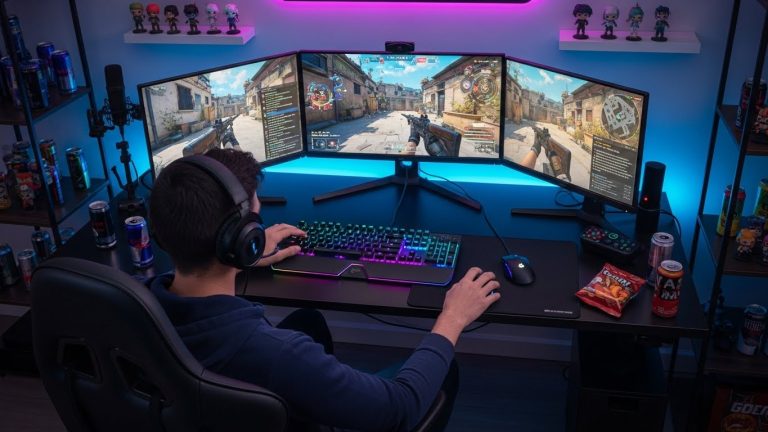
Once relegated to the realm of niche entertainment, online hoki22 has grown into a mainstream activity that connects millions of people worldwide. No longer is gaming confined to solitary play in a bedroom—it’s become a vibrant, social activity that brings people together across continents, cultures, and time zones. Online multiplayer games are shaping the future of how we interact with others, offering new ways to build relationships, collaborate, and share experiences.
In this digital age, online gaming is becoming one of the most popular and influential forms of socialization. From casual interactions in virtual worlds to competitive tournaments, online games offer endless opportunities for human connection. Let’s take a closer look at how online gaming is reshaping social dynamics and why it’s quickly becoming one of the most engaging social platforms available today.
1. Global Connections
One of the most obvious ways online gaming fosters social interaction is by connecting players from all corners of the globe. Unlike traditional forms of socializing, which often require physical proximity, online games allow people to connect regardless of location. Whether it’s playing with friends across the street or joining a team with players from different continents, the global reach of online gaming is unparalleled.
Games like Fortnite, League of Legends, and Apex Legends bring players together in virtual spaces where they can collaborate and compete in real-time. The internet eliminates geographical boundaries, allowing players to build friendships and engage with a community of like-minded individuals without the need for physical presence. This global connectivity is one of the key factors that have propelled online gaming into the mainstream.
Why It Wins:
- Facilitates connections with players worldwide, breaking down geographic barriers.
- Enables real-time interaction, enhancing collaboration and competition.
- Fosters diverse communities, where players from different cultures can interact and learn from each other.
2. Interactive Communication
In traditional social settings, communication typically happens face-to-face or through messages and phone calls. Online gaming, however, adds a layer of interactivity that enhances communication. Players use voice chat, text messages, and in-game interactions to collaborate with teammates, strategize, and bond over shared goals.
In many games, such as Overwatch and Call of Duty, communication is critical to success. Players need to coordinate with each other, making quick decisions and sharing vital information in real-time. This constant interaction strengthens social bonds, making the experience more collaborative than competitive.
Beyond strategy, online gaming platforms like Discord allow players to maintain ongoing conversations outside of the game. These platforms offer voice channels, text groups, and even video chats, creating a seamless way to interact socially before, during, and after a gaming session.
Why It Wins:
- Facilitates instant, real-time communication between players, enhancing teamwork.
- Encourages players to build relationships and socialize through in-game interactions.
- Dedicated platforms like Discord expand communication beyond gaming itself.
3. Online Communities and Friendships
One of the most compelling aspects of online gaming is the opportunity to create long-lasting friendships and become part of vibrant communities. Gaming communities—whether based around specific games like Minecraft or World of Warcraft, or general gaming interests—offer players a space to meet new people, share experiences, and form strong bonds.
These communities are built on shared interests and experiences, allowing players to connect with others who have similar passions. In fact, many lifelong friendships have been formed through online gaming, with players bonding over common goals, victories, and even defeats. Through in-game chat, private messaging, and dedicated online spaces, these friendships can thrive and extend beyond the digital world, with players meeting in person at gaming events or conventions.
Moreover, many games feature guilds, clans, or teams, where players can join groups that align with their play style and values. This fosters a sense of belonging and teamwork, strengthening the social fabric within gaming.
Why It Wins:
- Online gaming communities provide a sense of belonging and connection.
- Players often form lasting friendships based on shared experiences.
- Guilds, clans, and teams foster collaboration and teamwork, increasing social engagement.
4. Competitive Socialization
Esports—competitive gaming at the professional level—has become a booming industry that takes socialization in online games to the next level. Esports tournaments, whether local or global, create opportunities for players to compete against others while engaging with a global audience. Games like Dota 2, CS:GO, and League of Legends host large-scale tournaments that attract millions of viewers and players, creating a unique social space where competition meets community.
For solo players, competing in these tournaments or even casual ranked games offers a sense of achievement and belonging. Players form connections with others who share their competitive drive, whether through online leagues or social media platforms dedicated to their favorite games. These tournaments are often streamed, allowing fans to interact with players and teams in real-time through chat, further expanding the social experience.
Why It Wins:
- Esports provides a competitive environment where players engage with others globally.
- Tournaments create a social space for both participants and viewers to interact.
- Players and fans form tight-knit communities around esports events.
5. Shared Experiences
Gaming offers a unique social experience because of the shared narratives and moments that players experience together. Whether you’re playing through a story-driven adventure or collaborating on an objective-based task, the shared experience of overcoming challenges or achieving victories creates a bond between players.
In co-op multiplayer games like Left 4 Dead 2 or Phasmophobia, players rely on each other to survive and achieve goals. These games often lead to moments of camaraderie and mutual reliance, where players must communicate and work as a team. In games with a strong narrative element, such as Red Dead Redemption 2 or The Last of Us, players share an emotional journey, allowing them to bond over the story and its themes.
These shared moments become part of the social fabric of gaming, leading to inside jokes, memorable moments, and mutual experiences that enhance the sense of community and connection.
Why It Wins:
- Shared victories and challenges foster social bonding among players.
- Co-op games and story-driven titles enhance collaboration and mutual experiences.
- These experiences lead to lasting memories that players can reminisce about together.
6. Gaming Events and Conventions
As online gaming has become more mainstream, it has also spawned massive real-world events and conventions that bring players together. Events like E3, BlizzCon, and PAX are a celebration of gaming culture, where fans, developers, and players can interact in person. These events have become social hubs, with players meeting others who share their passion for gaming.
While gaming conventions were initially focused on showcasing new games and technology, they’ve evolved into social events where people connect with friends they’ve met online, attend tournaments, participate in cosplay, and interact with game developers. These events blur the line between digital and physical socializing, offering a unique space for gaming communities to thrive in person.
Why It Wins:
- Gaming conventions provide opportunities for real-world interactions with online friends and communities.
- Players can meet like-minded individuals and bond over shared passions.
- These events strengthen the social connections within gaming communities.
7. Gaming as a Social Lifeline
For many, especially during times of isolation or difficulty, online gaming has become a lifeline for socialization. The COVID-19 pandemic, for example, saw a surge in online gaming as people turned to games as a way to connect with others during lockdowns. Online games became a way to stay connected, maintain friendships, and meet new people when traditional social avenues were closed off.
For some, online gaming is a safe space where they can express themselves, make new friends, and engage in meaningful social interactions without the pressures or limitations of face-to-face communication. For individuals who struggle with social anxiety or live in remote areas, gaming can offer a sense of community and belonging.
Why It Wins:
- Online gaming provides a vital social outlet, particularly during times of isolation.
- Offers a platform for individuals to build friendships and connect with others.
- Creates a safe and inclusive space for self-expression and communication.
Conclusion: The Future of Social Gaming
Online rolet online has evolved from a solitary hobby to a powerful form of socialization that connects people across the globe. With opportunities for collaboration, competition, and meaningful interaction, it’s no surprise that online gaming has become one of the most popular social platforms of the modern age. From global connections and multiplayer experiences to competitive esports and in-person conventions, gaming is now at the forefront of digital socialization.
As technology continues to advance and virtual reality becomes more integrated into gaming, the way we socialize online will only become more immersive and interactive. Online gaming has redefined how we connect with others, and its role as a mainstream form of socializing is only just beginning. Whether you’re battling opponents in a multiplayer game or simply exploring a virtual world with friends, online gaming offers endless possibilities for connection and community.